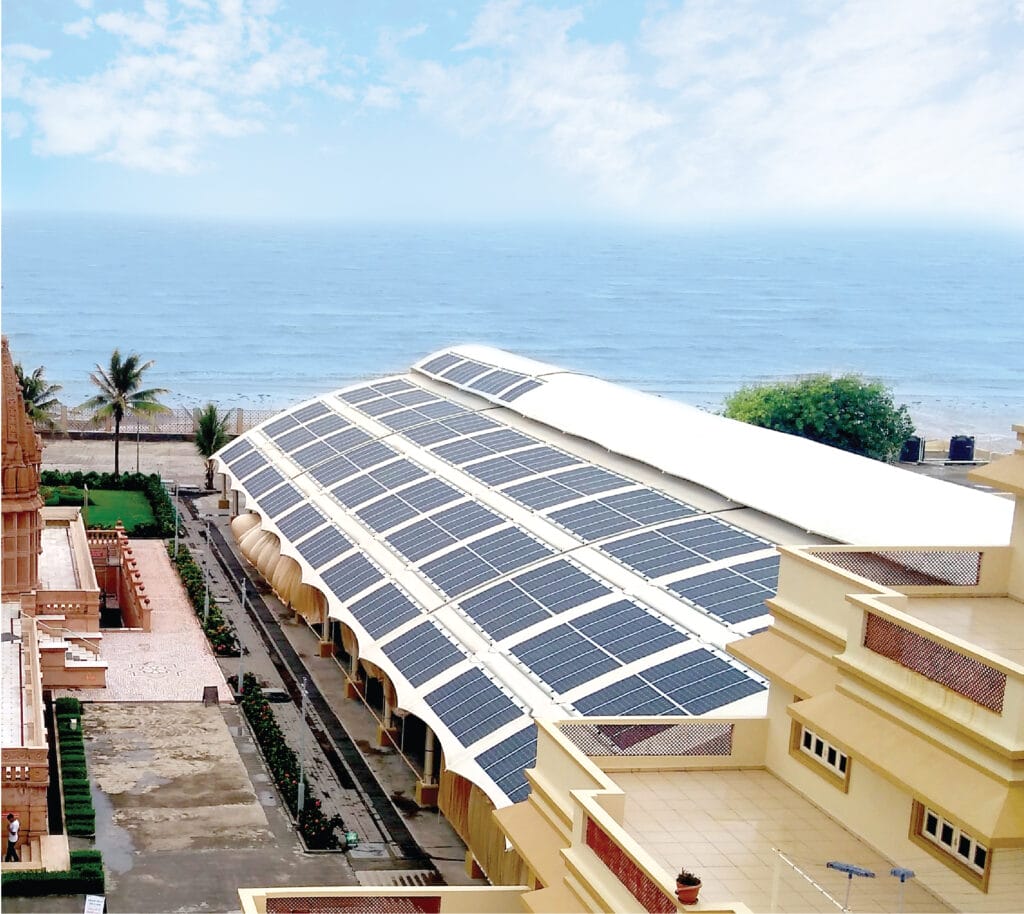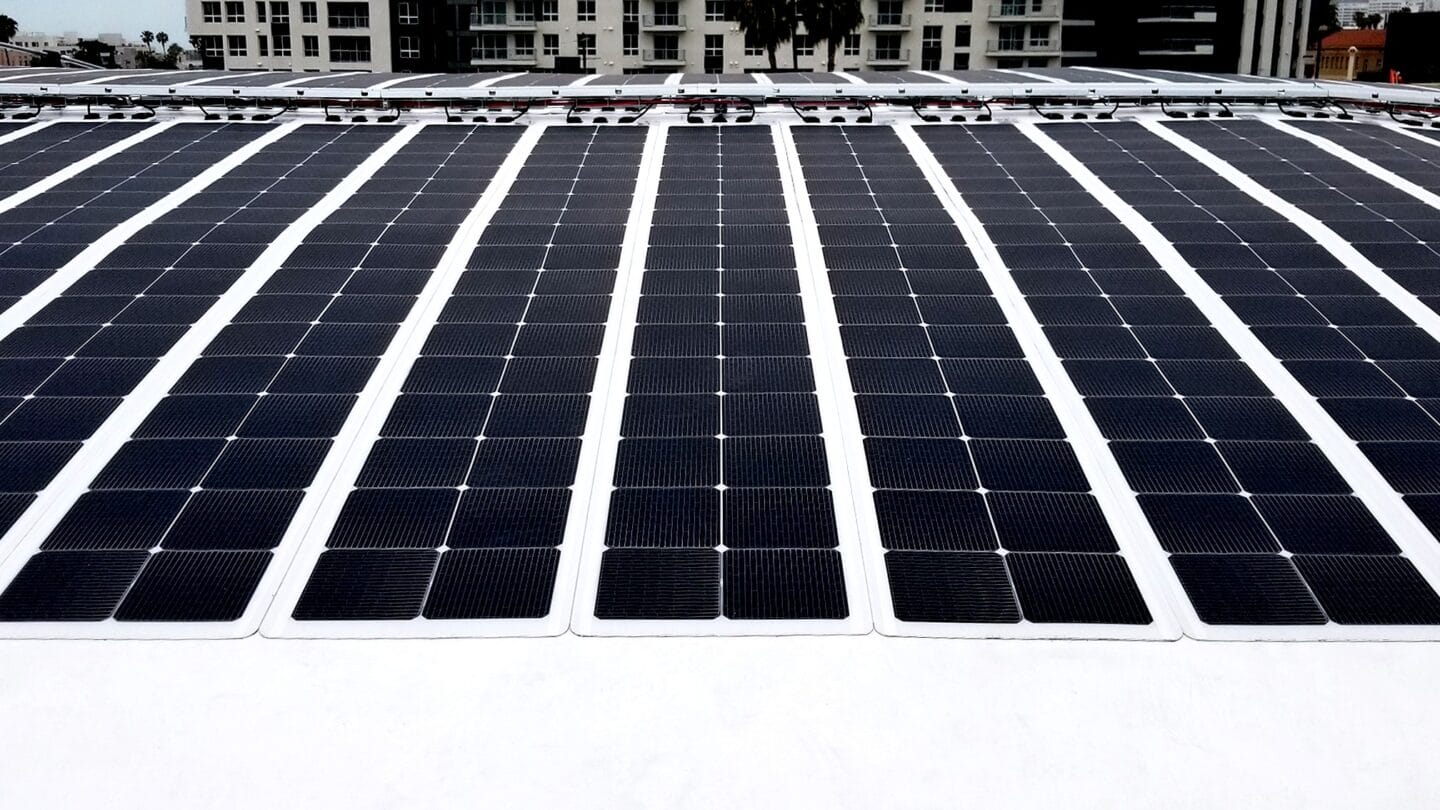
Merlin’s flexible solar panels are built for challenging roofing environments where weight, durability, curvature, and installation limitations all play a role. From commercial to residential and industrial builds, we create integrated solar solutions that deliver real power without compromising the roof beneath them.
When Standard Solar
Is Not an Option
At Merlin Solar, we believe that solar should never fight the roof…it should work along with it. This is why we design integrated solar roofing systems that align from the very start, whether it’s a new build or a solar roof retrofit, ensuring that you get reliable power while also protecting the performance and integrity of the roof itself.
A Roof Isn’t Just Another Surface.
It protects the entire building and everything inside. When you add solar, you are working directly with the structure that keeps everything underneath safe. Whether it is a warehouse, commercial facility, industrial site, or a residential build, the system has to respect the integrity of the roof first.
This is where most solar systems start to fall short. Traditional glass panels add too much weight, require unnecessary roof penetrations, and don’t always cleanly integrate, which can turn a solar installation into a long-term issue that’s expensive and difficult to fix.
With applications like low slope roofs, curved roofs, membrane, and flat roof systems, the wrong approach can compromise your roof’s waterproofing, add stress to the structure, and shorten the life of the roof. Merlin’s flexible panels give you a better alternative to standard glass systems, reducing the weight and seamlessly integrating so you can generate power without creating new problems overhead.
- You need a solar solution for low load-bearing roofs where traditional panels are too heavy
- You need a solution for flat roof solar panels, curved roofs, high slope, or low slope roof solar panels
- You’re planning on installing solar panels for commercial buildings
- You want non-penetrating solar roof options
- You’re working with membrane roofs or metal roof solar panels
- You need a solar roof retrofit or re-roofing with solar
- You need a lightweight, long-lasting solar roofing solution for roofs that can’t support the weight of traditional systems
What It’s Like to Work With Merlin Solar
Engineered For Every Commercial Roof
No two roofs are the same, and treating them like they are is where the problems start. Materials, slope, curvature, load limits, and exposure all completely change how roof solar systems should be installed. We start with the roof itself, because if the roof is compromised, everything underneath is at risk.
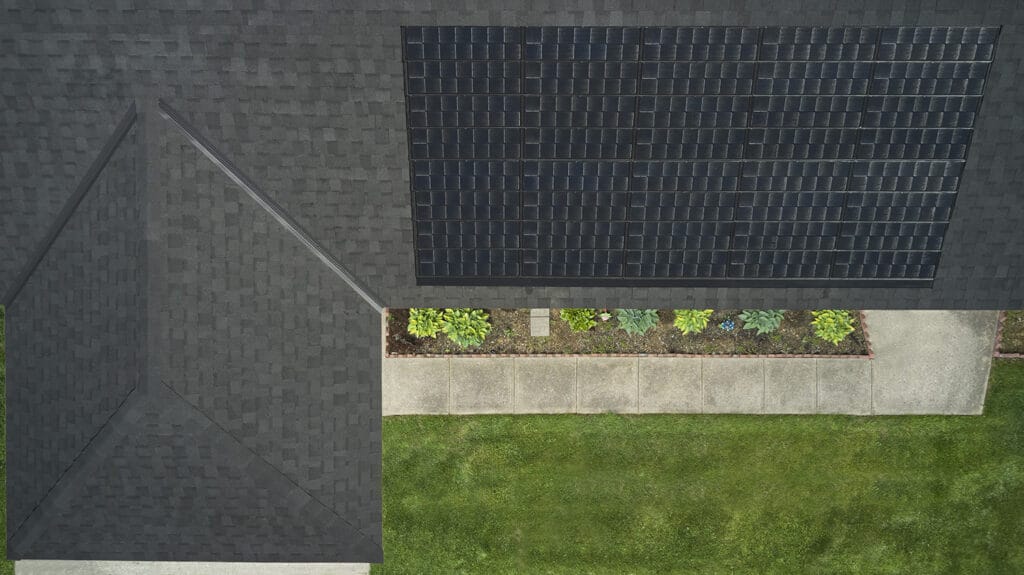
We Start With the Roof
Before anything else, we look at the structure, materials, and load capacity, and curvature of your roof. Solar panel roof load weight is critical. Every single system must be designed to align with your specific roofing specifications so that performance is never traded for power.
We Think Beyond the Mount
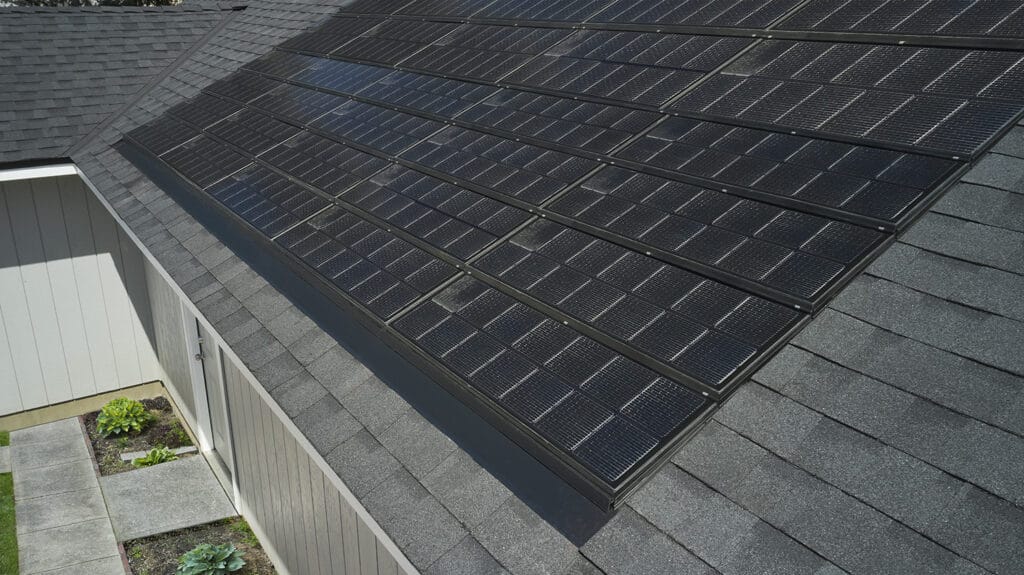
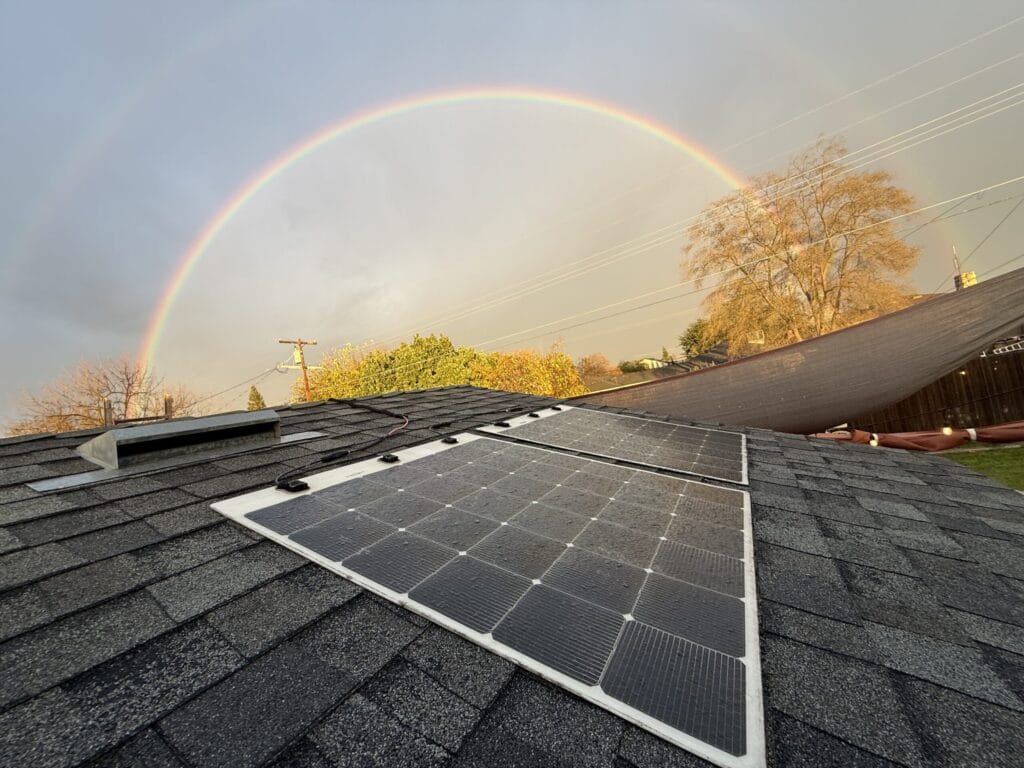
Not every roof is suited for traditional solar mounting systems. We engineer peel-and-stick and non-penetrating solar solutions that preserve the roof’s integrity while delivering reliable power. Our low-profile panels sit just millimeters above the surface, blending seamlessly into the roofline.
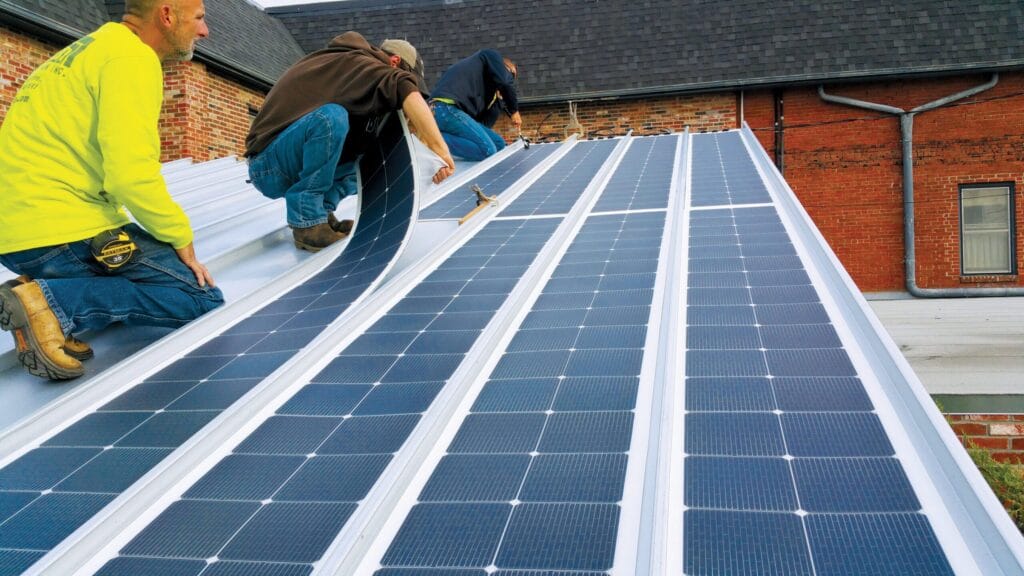
We Design for Integration
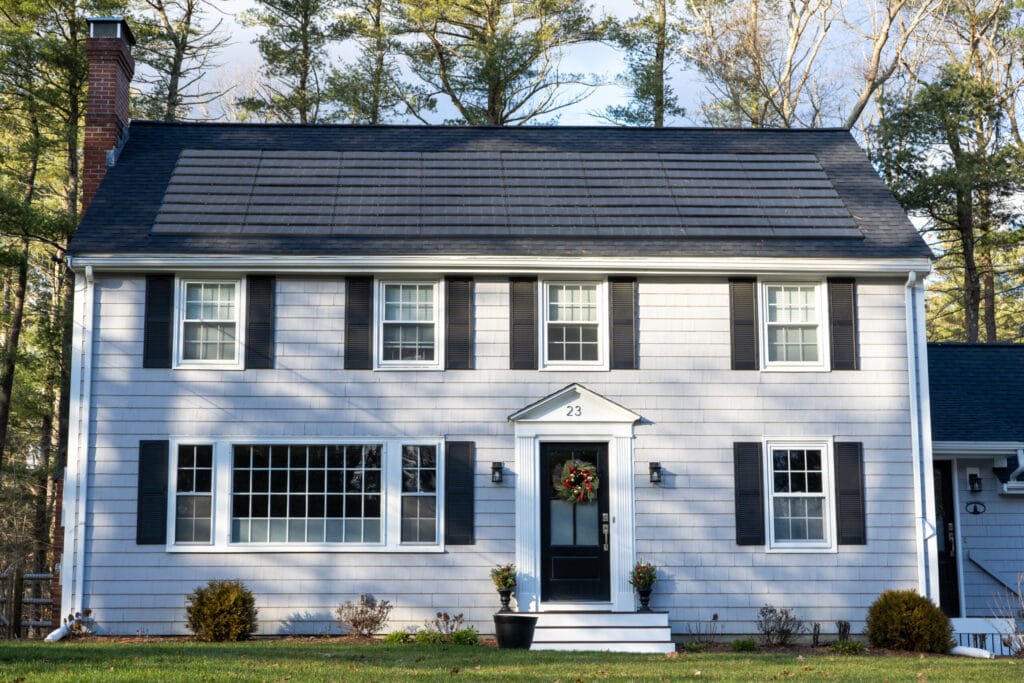
This is where the solar system array becomes part of the roof, instead of just something that’s been added to it as an afterthought. We engineer roof integrated solar system solutions, working with certified installers, and use BIPV roofing, building integrated photovoltaics, and solar building envelope designs that completely transform your regular roof into a true energy generating roof.
We’re There When You Need Us
From the initial planning stages through to the solar roof installation, we stay involved in the entire process to make sure everything performs the way that it should, right from day one.
The right solar system adds power without adding problems.
Why Roofing Professionals Choose Merlin
Lightweight and Roof-Friendly
Roof load is very important, and we understand this. Our low weight roofing solar solutions are built to minimize structural impact, so you can add power without having to rework the roof underneath.
No Penetrations Means No Headaches.
Not every roof should be drilled into. That’s why we have engineered other options, like our adhesive solar roofing and peel and stick systems, which eliminate penetrations, and help preserve your roof’s waterproofing and reduce any long-term risk.
Designed as a Complete System
Your roof generates the energy, but the system behind it is what makes that energy usable. We design integrated solar roofing systems that work seamlessly with batteries, inverters, and controls, and we collaborate with your contractor and team to ensure everything integrates with the electronics you’re using. That way, your power is consistent, your system is balanced, and everything works together exactly the way it should.
Built for Every Roof Type
From metal roof solar panels and solar panels on standing seam roof systems to membrane, and rubber roof solar panels, we design solutions that perfectly match the requirements of the roof you have.
Ready for Large-Scale Roofing Projects
From warehouse solar roofing to industrial solar roof systems and full commercial rooftop solar system builds, all of our solutions can scale to your unique needs without ever compromising performance.
Built to Take a Beating
Roofs deal with a ton of real conditions every, single day, from extreme heat and cold, strong wind, impact, animals, and everything else in between. Your solar system should be built the same way. Our impact resistant solar roofing and hail resistant solar panels are specifically designed to handle tough environments, hold up for the long-haul, and keep performing when conditions are anything but ideal.
Is the Roofing System Ready for Solar?
For a lot of teams, the first question that comes up is if solar is even the right move for their roof. Between factors like load limits, materials, and long-term performance, there is usually a real concern about getting it all wrong. When solar is added without respecting the roof, problems show up right away. Too much weight, the wrong mounting approach, or materials that aren’t compatible can compromise things like waterproofing, increase solar panel roof load weight, and put added stress on the structure beneath it. Over time, that can lead to premature wear, reduced lifespan, or even issues with meeting building codes if the system wasn’t designed for the roof it’s installed on.
No matter what kind of building you’re dealing with, this can bring about some serious risks. A poorly designed rooftop solar system can lead to ongoing maintenance issues, unexpected costs, and disruptions to your operations, and your life, that completely outweigh the benefits.
The Cost of Getting Your Roof Solar Power Wrong
01
Roof Damage and Leaks
Poor mounting, unnecessary penetrations, or incompatible materials can compromise the waterproofing of your roof and lead to leaks that continue to spread over time, turning small issues into expensive repairs.
02
Structural Strain and System Stress
Excessive solar panel roof load weight or poor system distribution can put unnecessary stress on the structure. On flat roof solar installation or low slope roof solar panels, this can impact the long-term integrity of the roof itself, and cause both the roof and system to wear out a lot faster than they should.
03
Ongoing Maintenance and Rising Costs
A poorly planned rooftop solar system often leads to more maintenance than expected. Repairs, inspections, and system adjustments become never-ending issues. Instead of adding value, the system becomes something that constantly needs your attention.
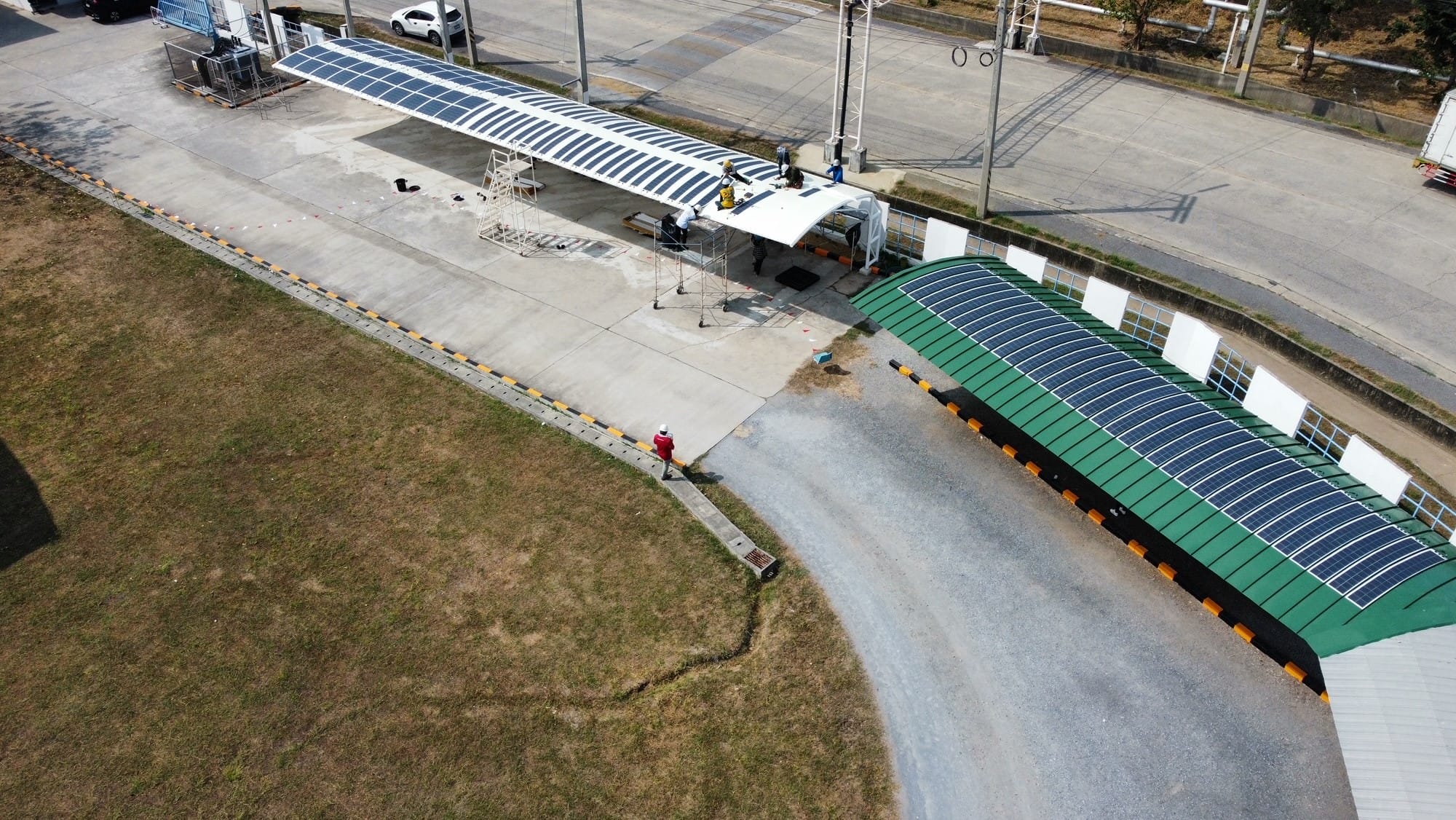
At Merlin Solar, we design solar roofing systems that work with your commercial roof, not against it, so your structure stays protected, your system performs as expected, and your building keeps running without any disruptions.
Are You Ready to Build a Solar Roofing System That Actually Works?
Are You Ready to Get More From Your Roof?
You already rely on your roof to protect your building, but now it’s time to get even more out of it. With the right solar roofing system, you can turn an unused surface into a dependable source of energy without adding unnecessary risk.
Let’s build a system that really powers up your roof.
Frequently Asked Questions
Yes! When they are designed properly, solar roofing systems deliver long-term energy savings while also protecting the integrity of the roof. Modern solutions are built to integrate with the structure, allowing you to generate power without creating additional risk.
The 33% rule is a general guideline that limits solar panel coverage to about one-third of the roof area. This helps ensure there’s still enough accessible space for maintenance, safety, and required access pathways. It’s about designing a solar setup that works within real-world constraints, including things like building codes and the long-term usability of the roof.
A 400W solar panel can support a fridge, but its performance depends on the energy usage, sunlight conditions, and battery storage systems. Most systems need a high-quality, balanced setup with storage and inverter support to run appliances properly.
A 400W panel can produce up to 400 watts under ideal conditions. In real-world environments (taking into consideration weather, angle, and exposure) the output will vary, which is why system design is so important.
The best solution is a commercial rooftop solar system designed specifically for the building’s structure, energy demand, and roofing material. A properly planned system balances performance, durability, and long-term reliability.
BIPV roofing, or building integrated photovoltaics, refers to solar that is built directly into the roofing system. Instead of mounting panels on top, BIPV solar panels become part of the structure, creating a seamless, power-generating roof.
Non-penetrating solar roof systems avoid drilling into the roof. Solutions like adhesive solar roofing or ballast-based systems help preserve waterproofing and reduce the risk of leaks or structural issues.
Yes, flat roof solar installation is common and can be very effective when it’s designed correctly. Systems are tailored for low slope roof solar panels and membrane roofing to ensure proper performance and good drainage.
Solar roofing system cost varies based on roof size, system design, materials, and energy requirements. A properly designed system considers both the upfront investment and the long-term savings to give you maximum value over time.
Lightweight solar panels for roof applications are often preferred because they reduce structural load and simplify the installation process. They are especially valuable for retrofit projects or roofs that have weight limitations.
A solar roof retrofit involves adding solar to an existing roof system. This requires careful planning to ensure compatibility, manage solar panel roof load weight, and ensure long-term performance.