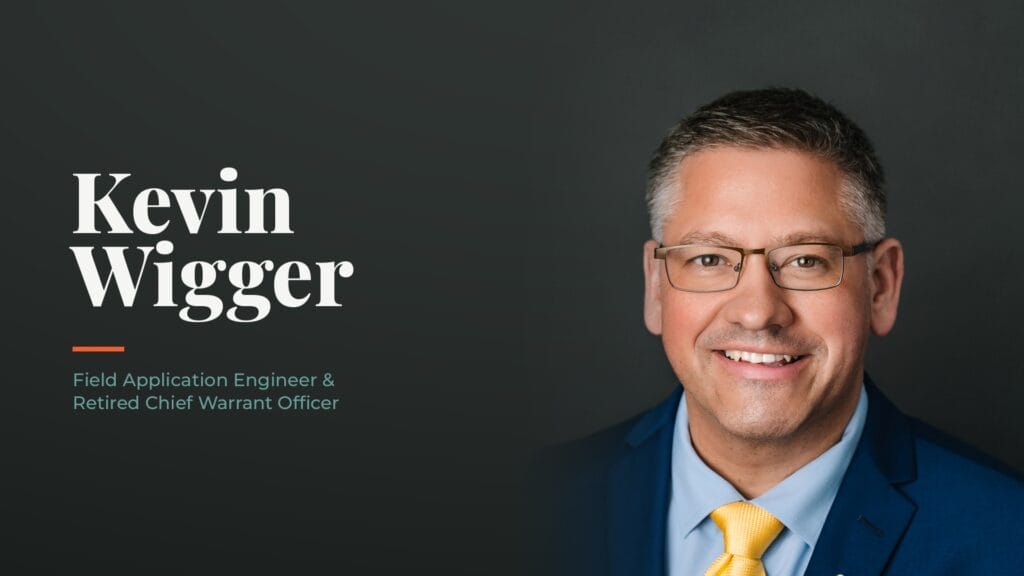
Q: What does a Field Applications Engineer do at Merlin?
My job is making sure the systems we deploy deliver measurable results long after the installation is complete. I conduct fleet assessments, support installations, troubleshoot issues in the field, analyze performance data, and train technicians and maintenance teams. I work directly with commercial fleet operators, transit agencies, and defense organizations to improve vehicle readiness, reduce battery-related maintenance, and validate operational ROI. From supporting idle mitigation and power resilience initiatives for military and government vehicles to deploying solar solutions across transit and commercial fleets, I help customers identify operational challenges and implement solutions that increase asset availability and mission readiness. From the initial assessment through long-term performance monitoring, I remain a trusted technical resource and point of contact, ensuring every system continues to deliver value in the field.
Q: You served 26 years in the Army. How does that shape the way you work?
The Army taught me how to perform under pressure, stay focused in challenging environments, and solve complex problems with limited resources. It developed my ability to think critically and creatively, adapt quickly to changing situations, and work effectively with people from all backgrounds and professions. Throughout my career, I learned that resilience, accountability, and teamwork are essential to success. Whether I am working with maintenance personnel, engineers, operators, executives, or government leaders, I focus on understanding the problem, building relationships, and finding practical solutions that deliver results. Most importantly, the Army instilled a strong sense of personal ownership in everything I do. I was taught that if something is worth doing, it is worth doing to the absolute best of my ability because my name and reputation are attached to the final product. That mindset continues to drive me today and influences how I support customers, represent my organization, and approach every challenge.
Q: How do I know Merlin’s solar will hold up in real conditions?
I know Merlin’s solar will hold up in real conditions because I have seen firsthand what equipment must endure to survive on military vehicles. As the Group Maintenance Officer, I advocated for installing Merlin Solar panels on our Support Battalion vehicles to reduce battery replacement costs, improve vehicle readiness, and minimize maintenance caused by dead batteries. Military vehicles experience extreme vibration, harsh weather, rough terrain, and constant operational use, so if our panels can withstand those conditions, they can handle just about any commercial fleet, transit, or government application. Today, I continue to validate that durability through real world deployments, performance monitoring, and data analysis to ensure every system delivers long term results.
Q: What happens after the system is installed?
The installation is really just the beginning. After the system is deployed, I stay involved by monitoring performance, analyzing operational data, and working directly with the customer to ensure the system is delivering the expected results. If any issues arise, I help troubleshoot them, provide additional training when needed, and make recommendations to maximize battery health and return on investment. My goal is to make sure every customer continues to see value from their Merlin Solar system long after the installation is complete.
Q: What kind of maintenance does the system require?
One of the biggest advantages of the Merlin Solar system is that it requires very little maintenance. We recommend including the panels in your normal vehicle inspections to ensure they remain clean, securely mounted, and free of damage or debris that could affect performance. Beyond that, the system is designed to operate passively with no moving parts, providing reliable charging day after day with minimal attention. We also monitor performance data when available, allowing us to identify potential issues early and ensure the system continues operating at peak performance.
Q: How do you approach a new integration?
I start by understanding how the customer’s equipment is used, what problems they are experiencing, and what success looks like for their operation. From there, I conduct a site or vehicle assessment, review the electrical system, battery configuration, available mounting space, duty cycle, and any operational constraints. I then work with the customer and our engineering team to develop a solution that fits the equipment without interfering with normal operations or maintenance. After installation, I validate performance, train the technicians, and stay involved to make sure the system continues delivering the expected results.
Q: Something went wrong in the field. Now what?
This is where my military experience really comes into play. I started my career as a tracked vehicle mechanic and spent years troubleshooting complex electrical and mechanical issues, including while deployed to Iraq and Afghanistan, where you learn to diagnose problems quickly and fix them with the resources you have available. When something goes wrong in the field, I take a methodical approach by identifying the root cause, using data to validate the issue, and working with the customer and our engineering team to implement the right solution. My goal is not just to fix the immediate problem, but to ensure it does not happen again and that the customer has complete confidence in the system moving forward.
Q: Why should I trust Merlin over another solar provider?
You should trust Merlin because we do more than sell a solar panel. We take the time to understand your equipment, operating environment, and maintenance challenges, then design a solution that works without interfering with normal operations. Our systems are proven on military vehicles, commercial trucks, trailers, transit buses, and government fleets operating in demanding real world conditions. Most importantly, we stay involved after installation by monitoring performance, supporting technicians, and making sure the system continues delivering measurable value long after it is deployed.